
Tour du Mont Blanc vs Alta Via 1
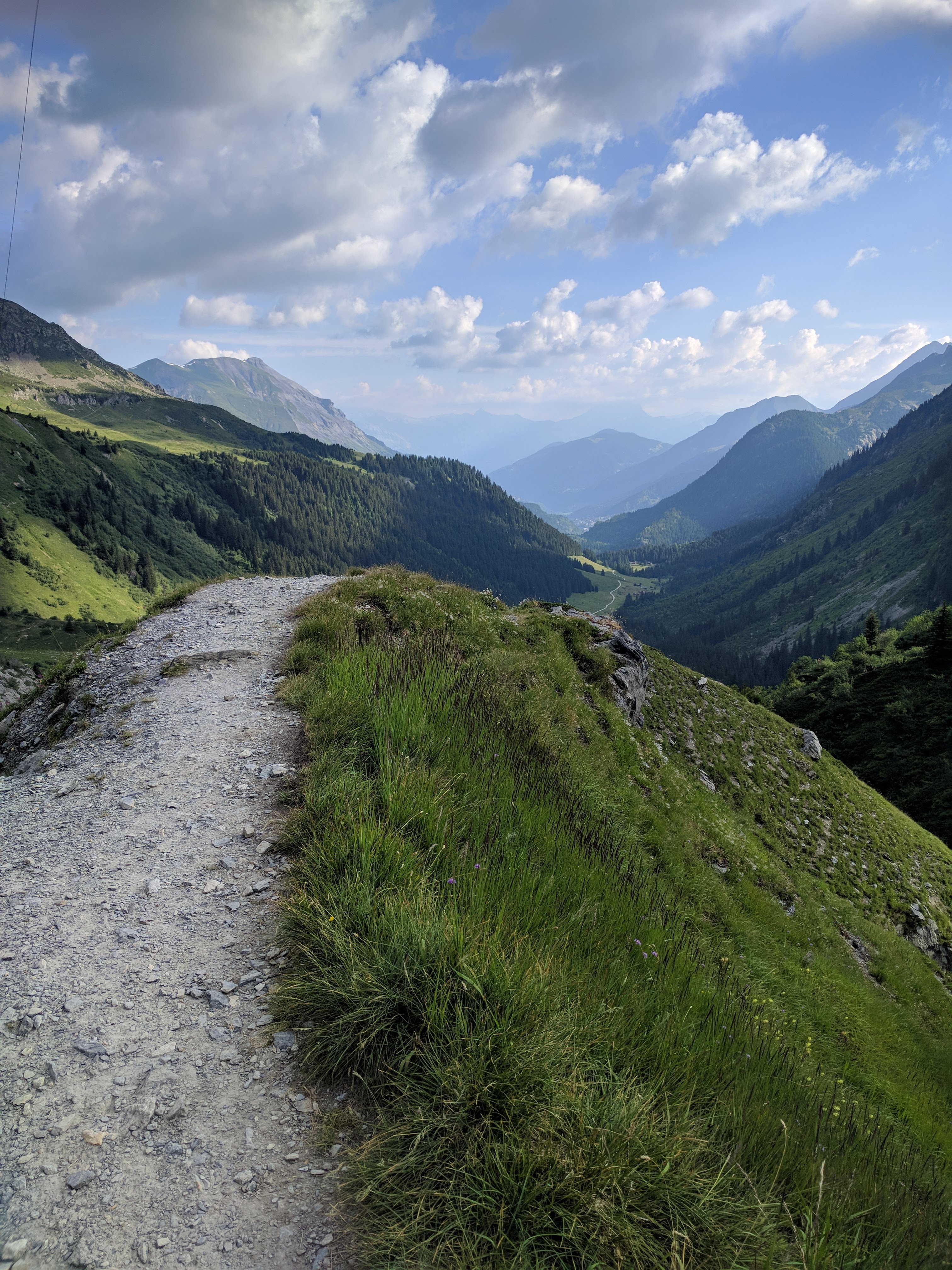
People often ask me which multi-day hike was better – Alta Via 1 (AV1) in the Dolomites or the Tour du Mont Blanc (TMB), since I’ve completed both.
The answer depends on what you’re looking for. Food-motivated folks would likely enjoy the variety in cuisine available on the Tour du Mont Blanc.
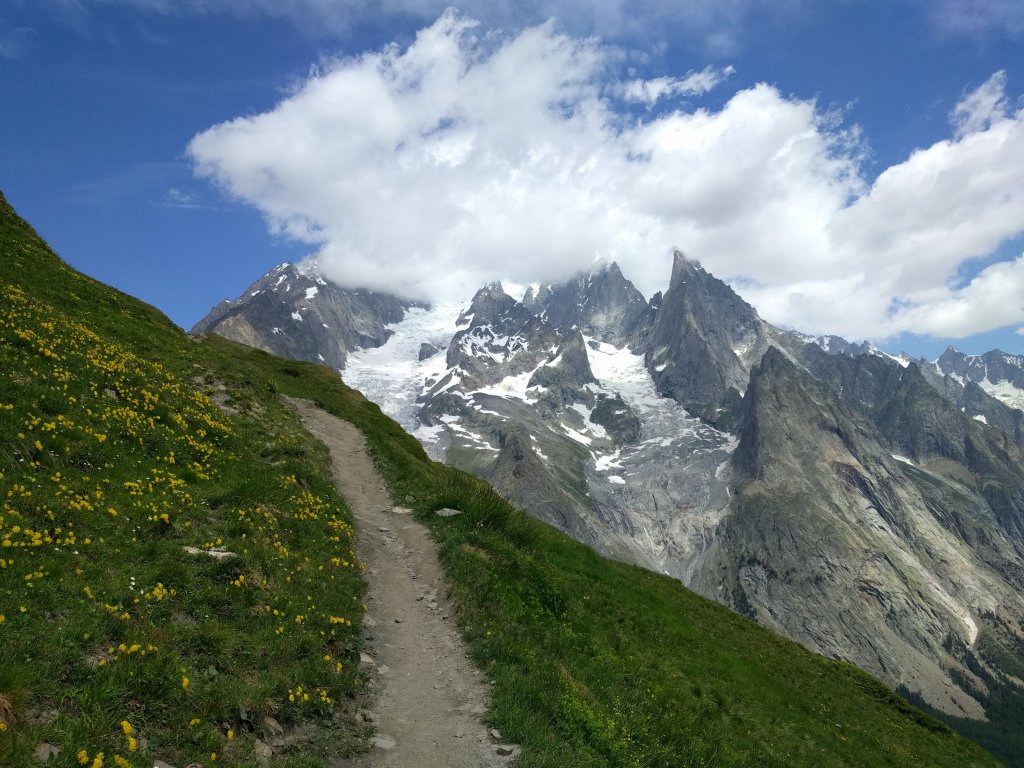
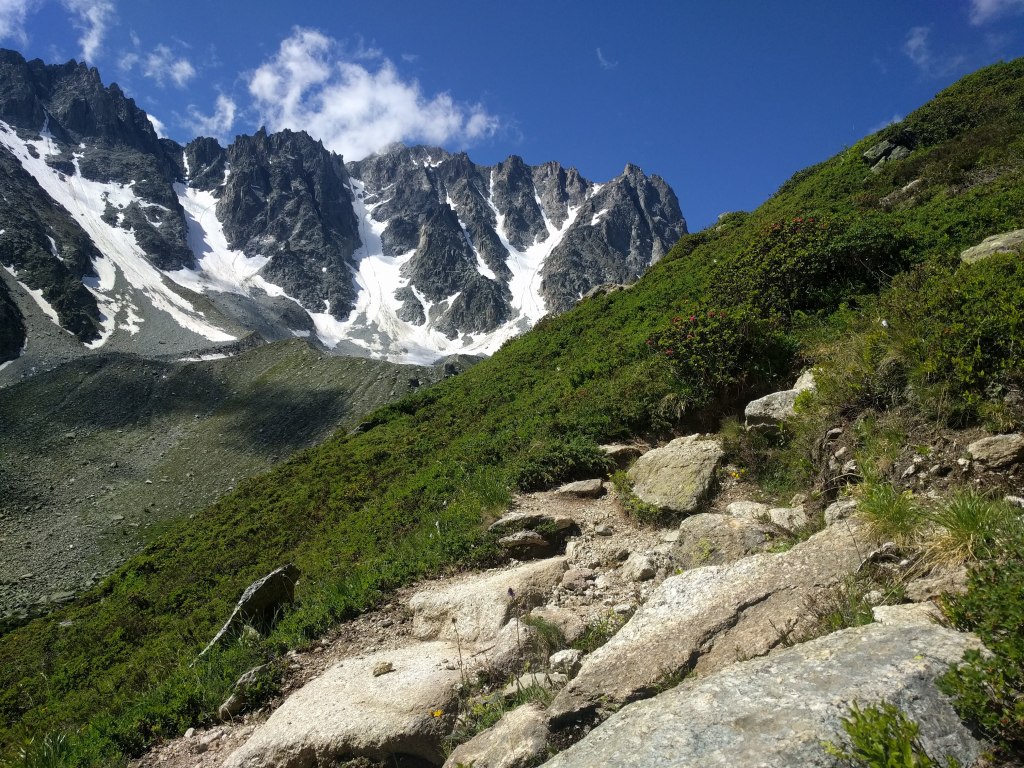
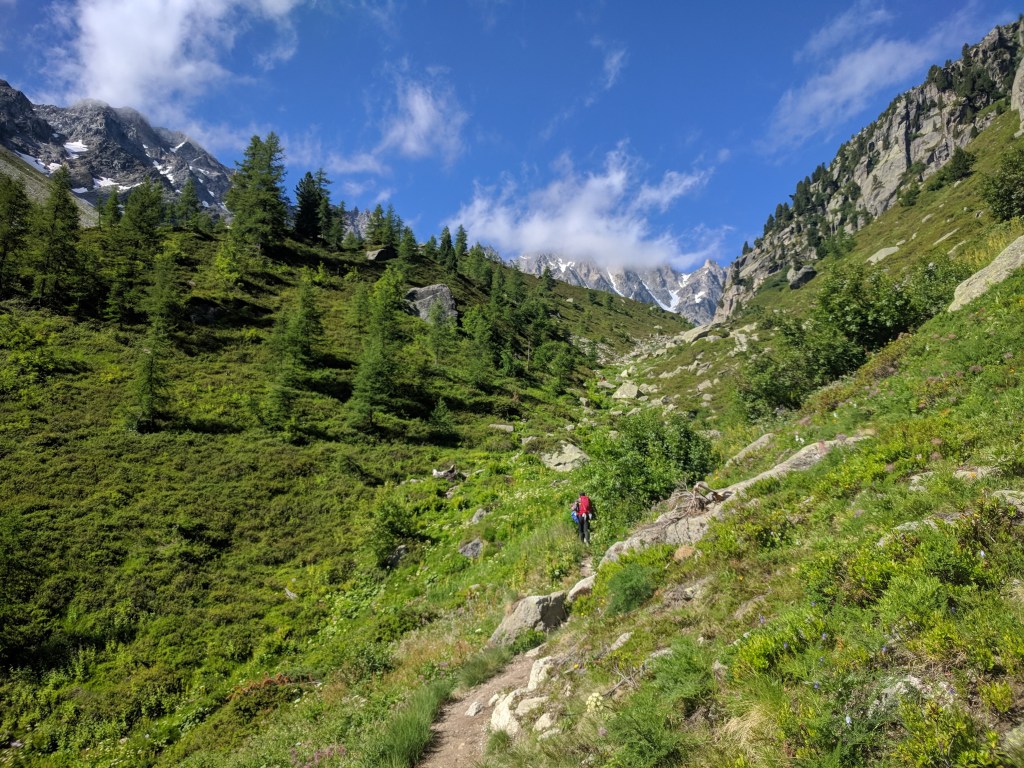
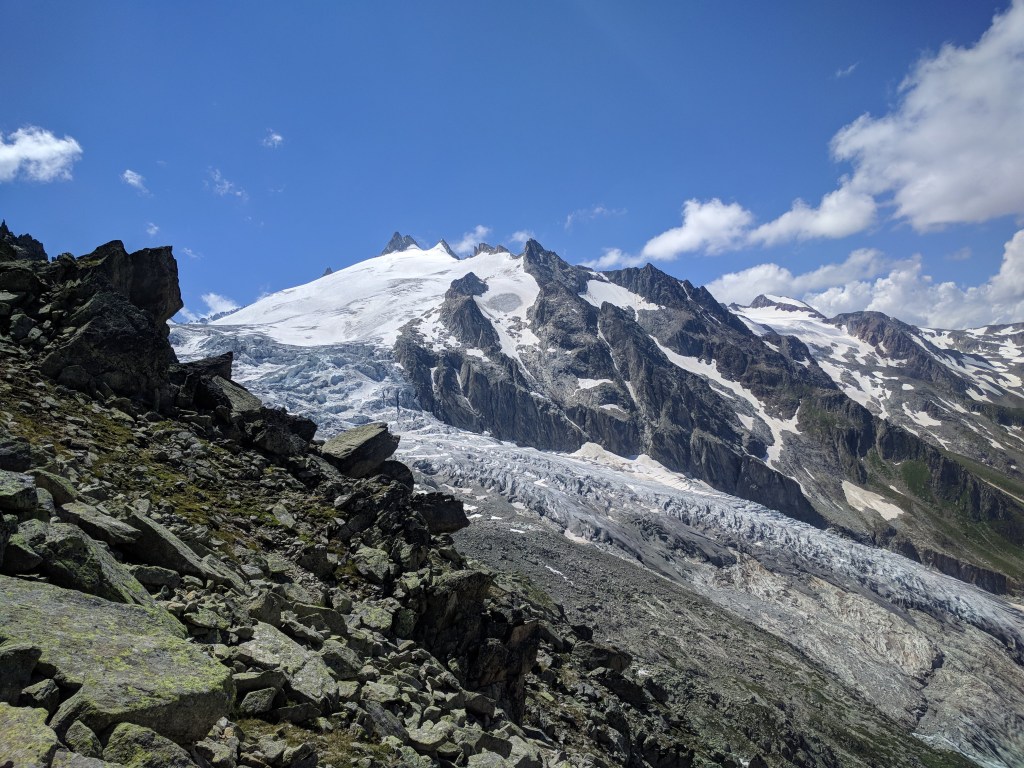
View-motivated folks may enjoy seeing remnants of glaciers on the mountains, combined with alpine flowers, rolling hills, and blue skies (weather dependent) while on the Tour du Mont Blanc. Or the rugged and rocky nature of the Dolomites mountain range with alpenglow sunsets and sunrises on the Alta Via 1.
Remoteness-motivated folks may prefer the Alta Via 1. That being said, July and August are busy seasons for both of these treks, so the time you go can drastically impact this.
For folks that enjoy the rhythm of walking through nature and being pleasantly surprised by their own fortitude, strength, and even growth, either route would do it, depending on your fitness level.
The charts below compare various factors that I think are important to consider. You can jump to the different sections here: High Level Differences, WWF, Other Considerations
High Level Differences
| Factors | Tour du Mont-Blanc | Alta Via 1 |
|---|---|---|
| Distance Completed (KMs) | 170 | 120 |
| Height (meters above sea level) | 2,532 | 2,752 |
| Month, Year completed | July 2018 | Sept 2022 |
| Starting point town and ending point town | Chamonix, France (loop) | Cortina, Italy to Forno di Zoldo, Italy |
| Number of days | 8 | 8 |
In general, Tour du Mont Blanc is longer and harder than Alta Via 1, with more distance covered daily and more elevation gain.
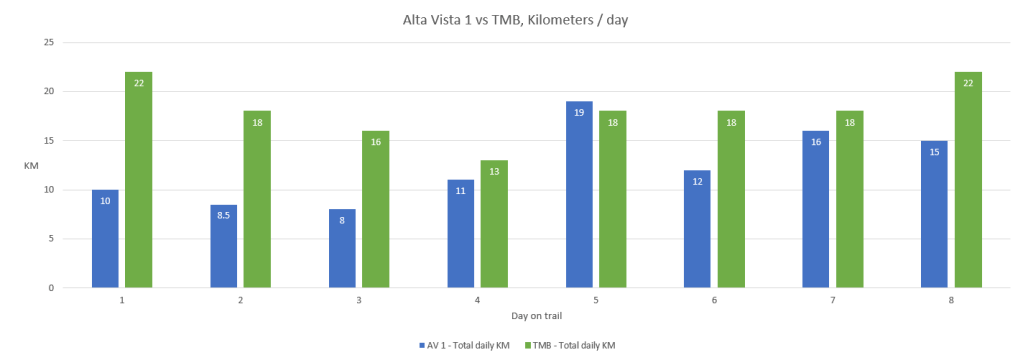
Not all steps or kilometers are equal in effort. The chart below shows the approximate elevation gain on each of the days.
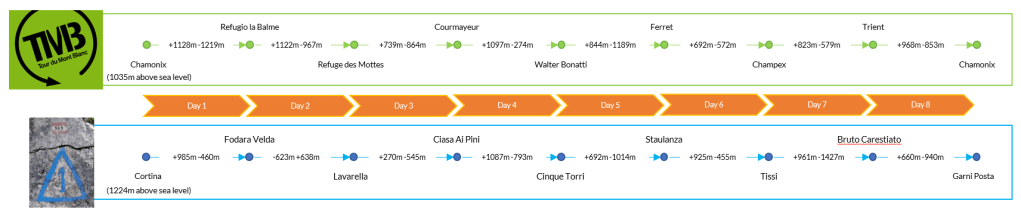
The starting points are similar in that they are both mountain towns that serve as a gateway to outdoor adventure in their respective areas. Chamonix and Cortina d’Ampezzo are similarly sized, area-wise, with Chamonix having a larger population. Forno di Zoldo, the end point of the Alta Via 1 for my group, is a much smaller town compared to these two start points.
Weather, Water, Food
WWF are what I consider essentials to know when considering or planning a trip.
- Weather: Usual weather patterns for the time we’ll be there
- Water: Sources of potable water
- Food: Types and availability/accessibility
| WWF | Tour du Mont-Blanc | Alta Via 1 |
|---|---|---|
| Weather | Prone to summer storms. Actual experience: Mostly sunny, 1 day pouring rain | Prone to summer storms. Actual experience: Mostly sunny, 2 days pouring rain |
| Water | Water available on trails – with potable water along the way | Potable water available at most rifugios, but not all – likely will need to pay for water |
| Food | French, Italian, Swiss; more readily options in small towns; picnic lunches can be purchased at places we stayed at | Italian: available at open rifugios along the way; picnic lunches can be purchased at places we stayed at |
Weather: Summer months in both mountain ranges are prone to storms in the afternoon, so it is advisable to start days early and organize vehicle transfers where possible.
Water: Water was more readily available on the Tour du Mont Blanc. On the Alta Via 1, we made sure we had at least 2 liters on us when we head out for the day. Water at restaurants and rifugios often required payment.
For both treks, showers at some of the huts required the purchase of a token, which restricted the amount of time the shower can run to save water, as some of the places we stayed at were quite remote.
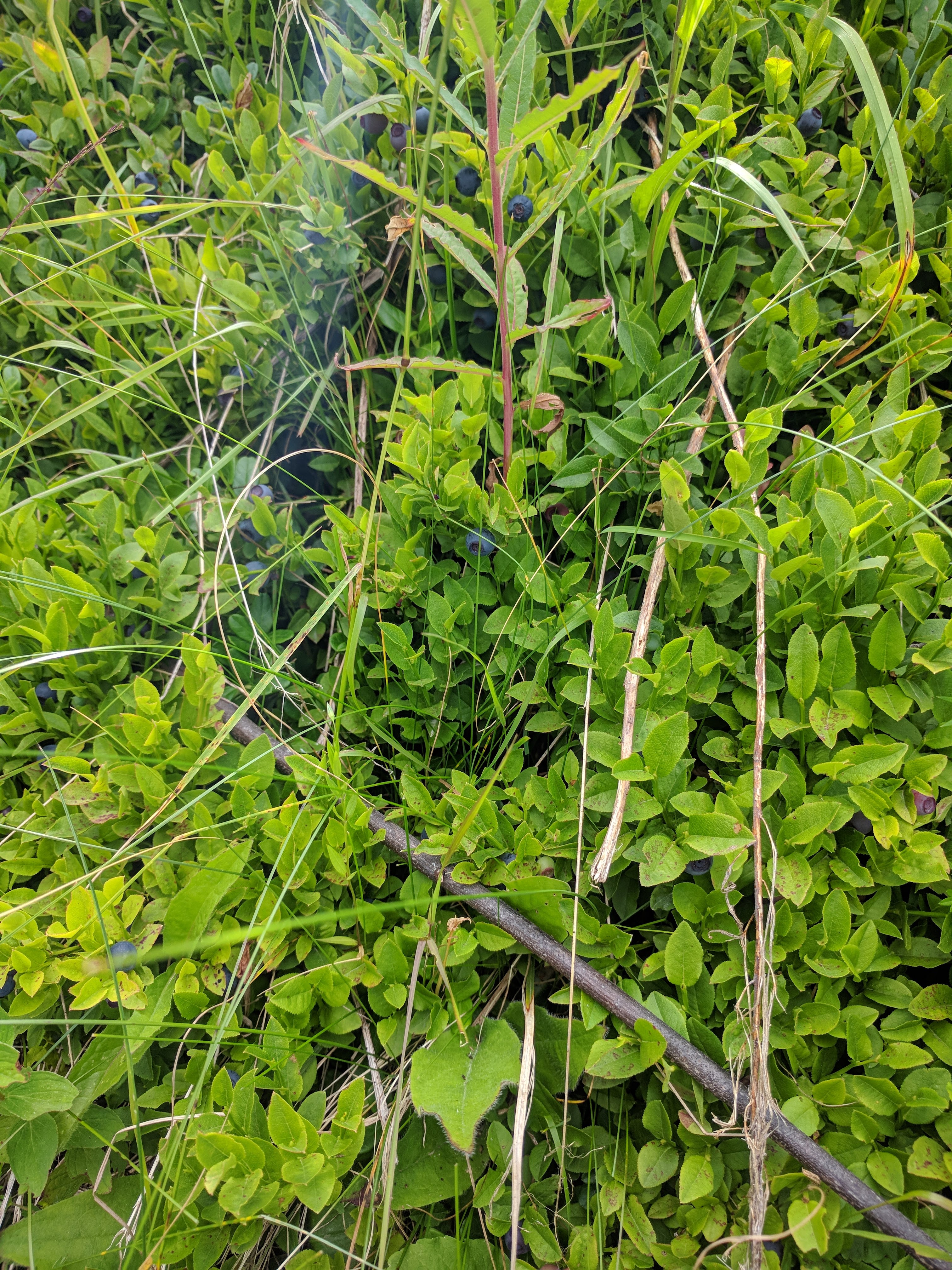
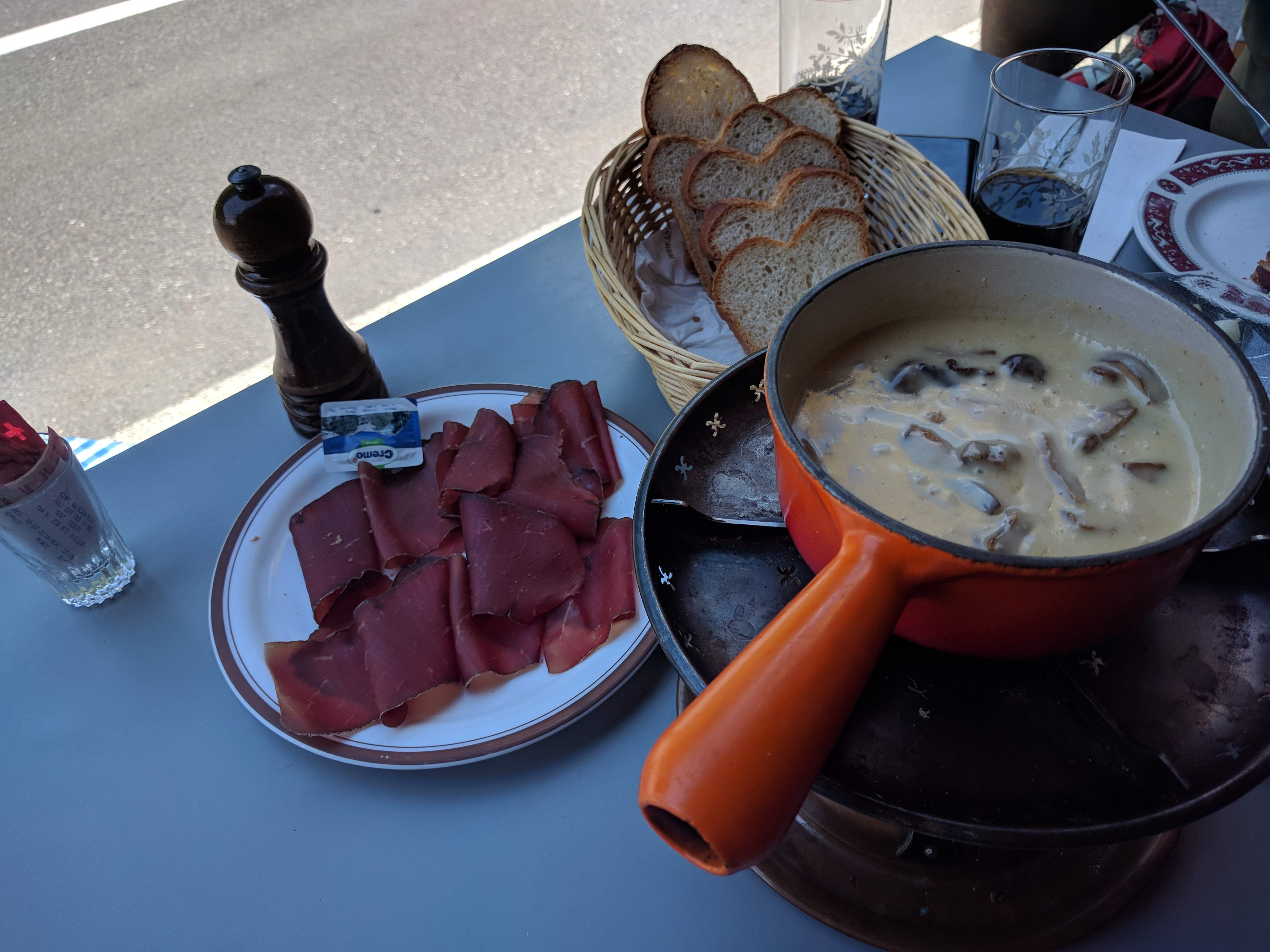
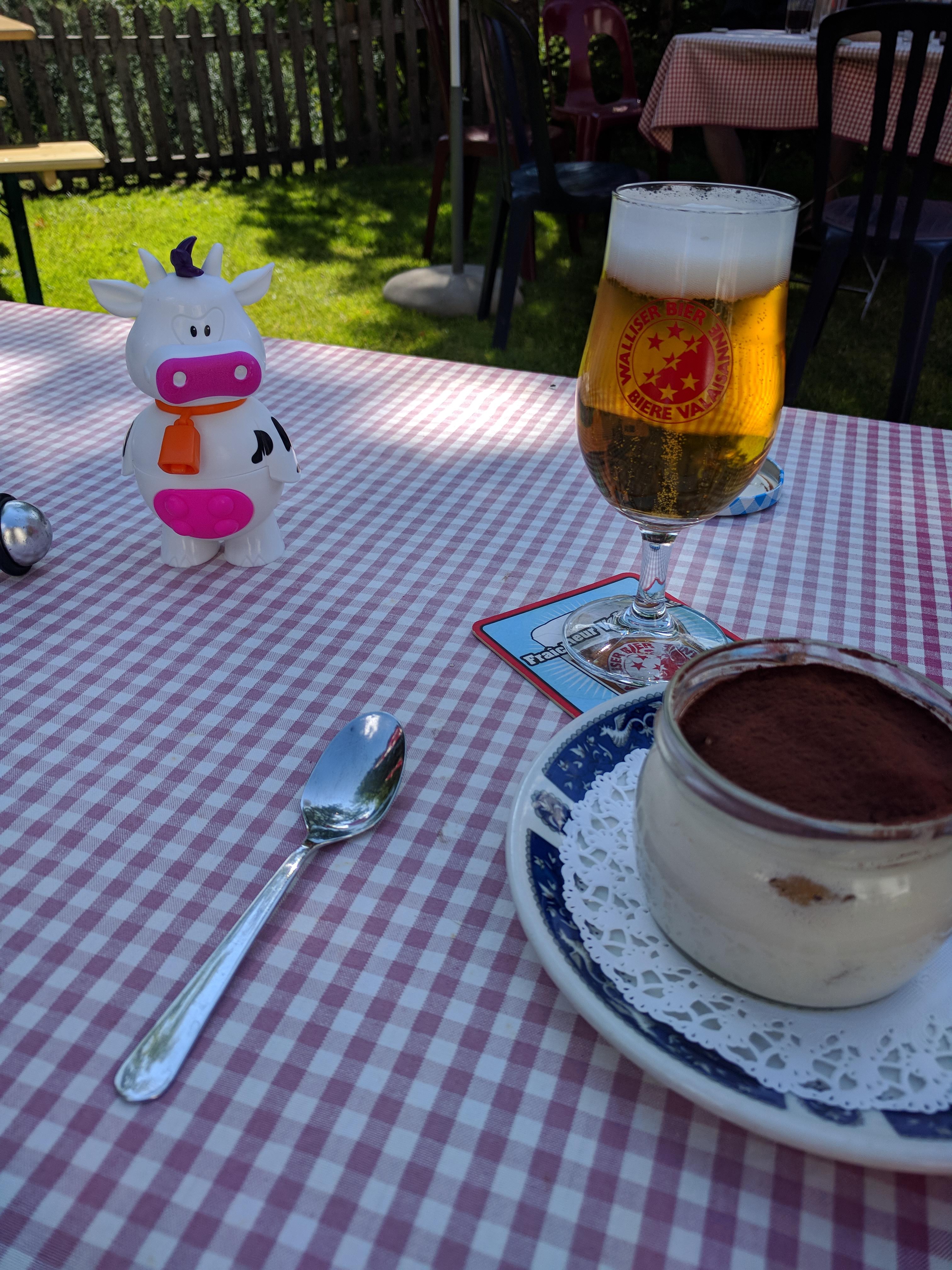
Food: We ate very well on the Tour du Mont Blanc – breakfasts were usually hearty. European hikers invited us to take a break with them by the trail to munch on wild blueberries. In established towns, there was choice in what we can have and also gems in small towns along the way. The day we were in Switzerland, we stopped by a small restaurant for cheese fondue over lunch, before purchasing raspberries from a family harvesting them down the road. The cheese fondue lunch was probably a bad decision right before significant elevation gain, but it was delicious.
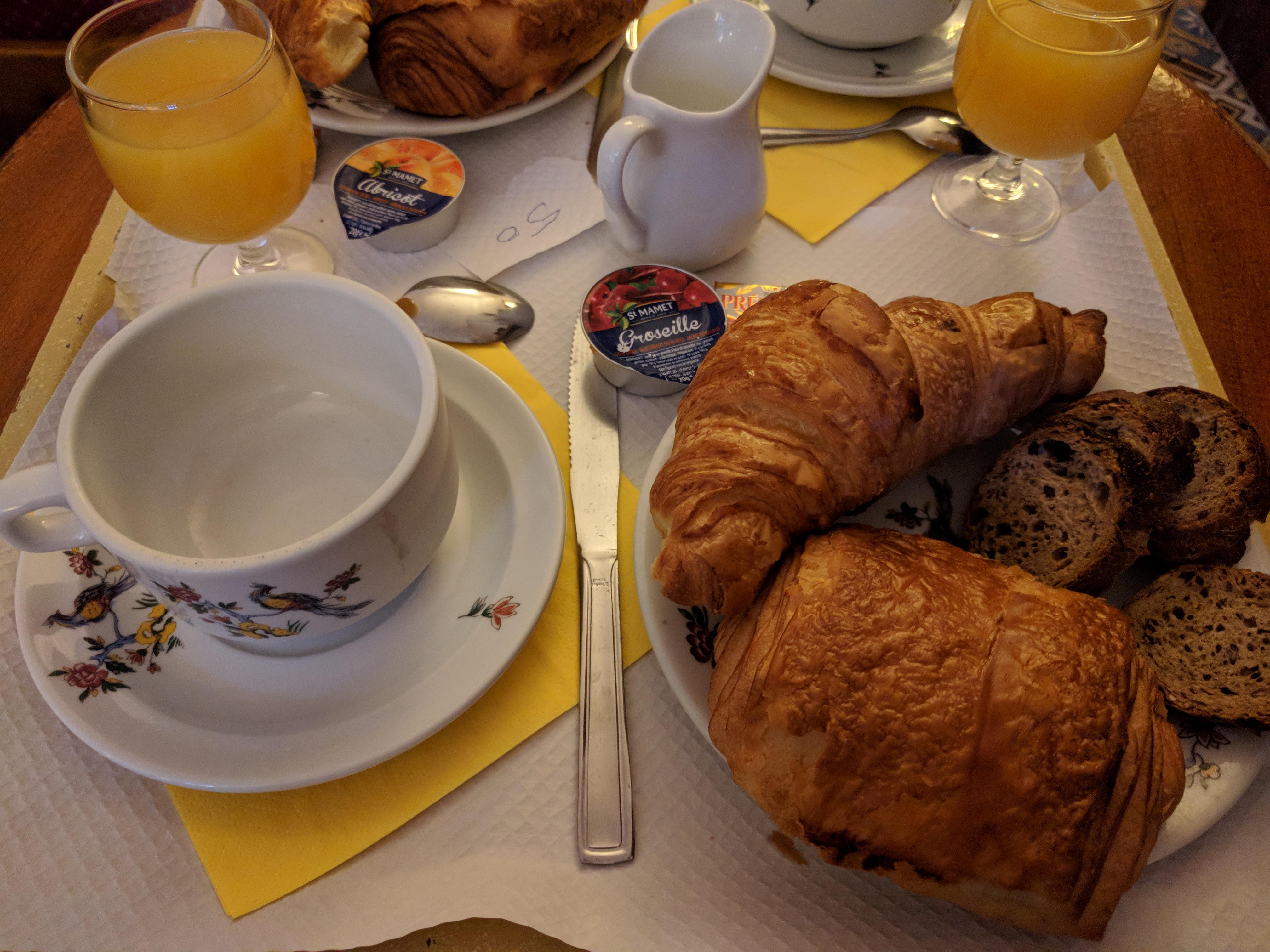
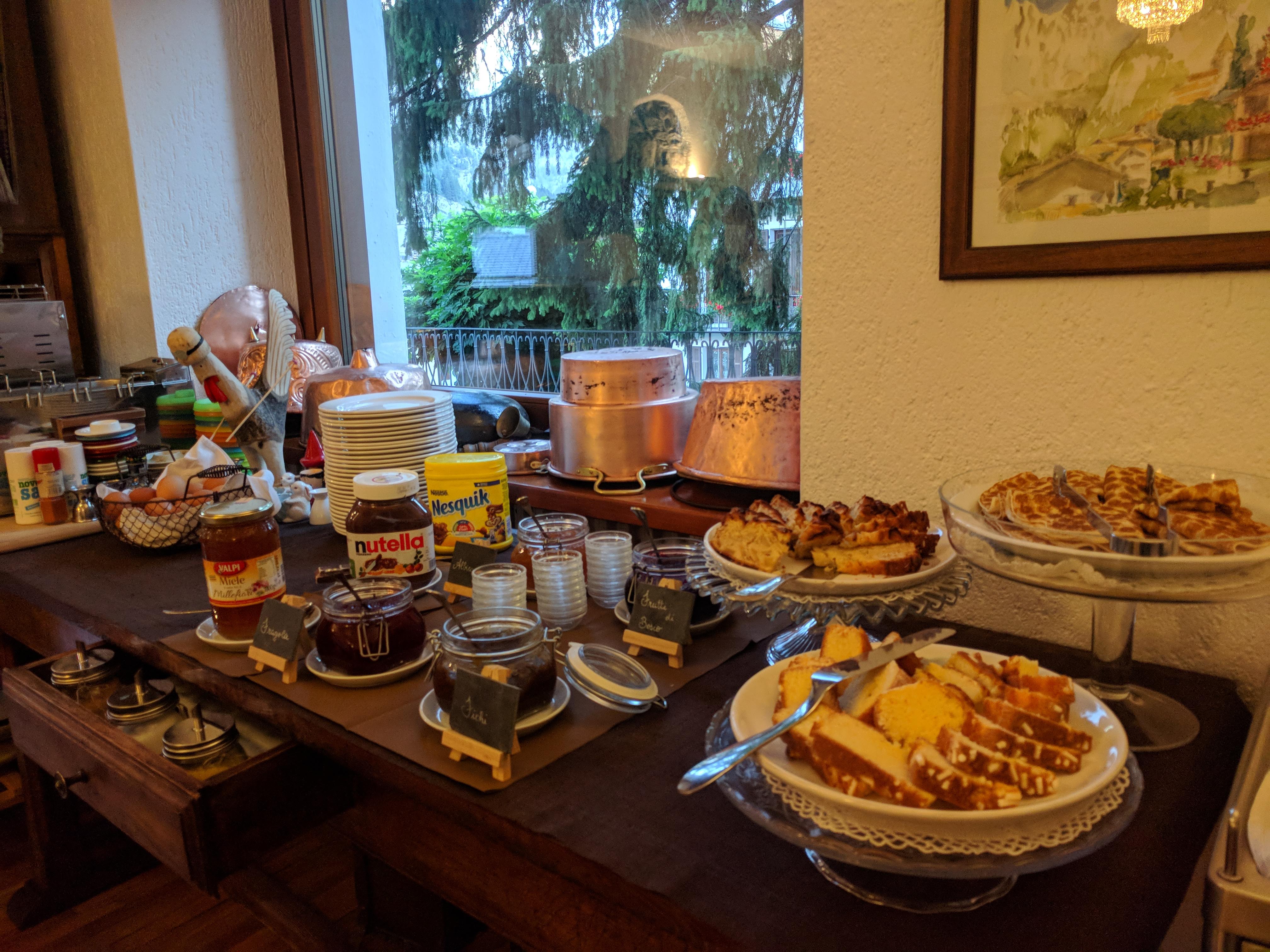
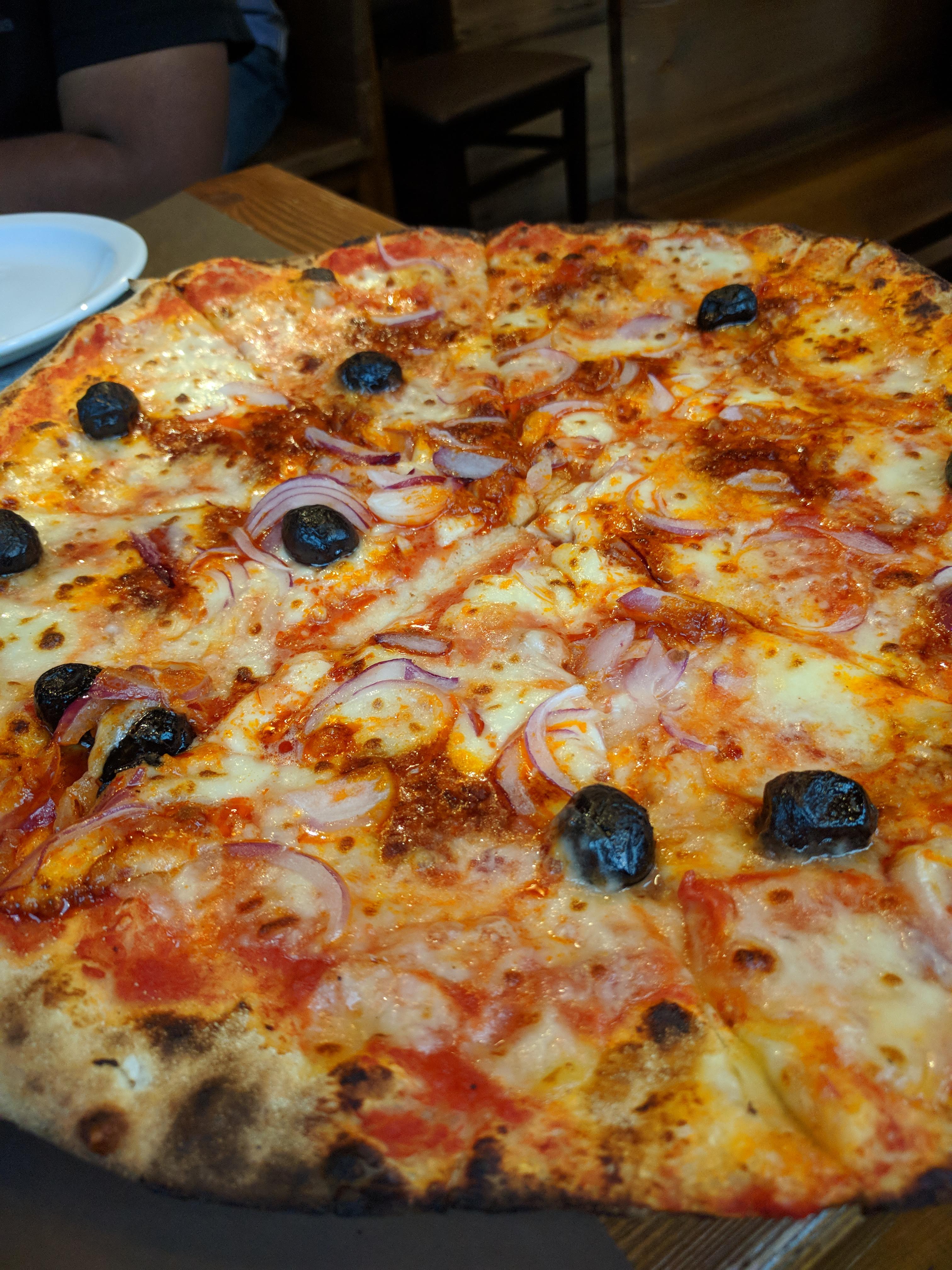
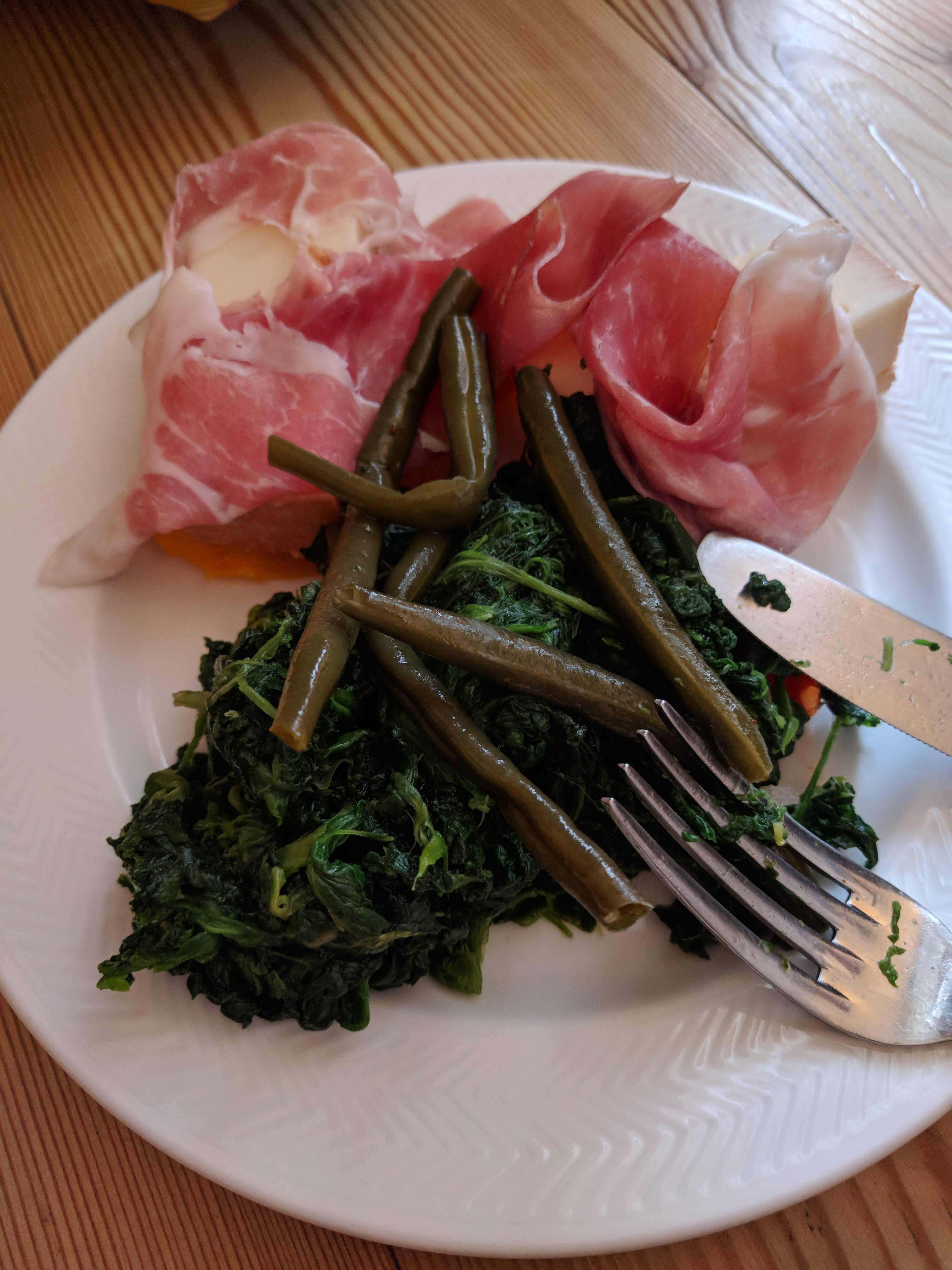
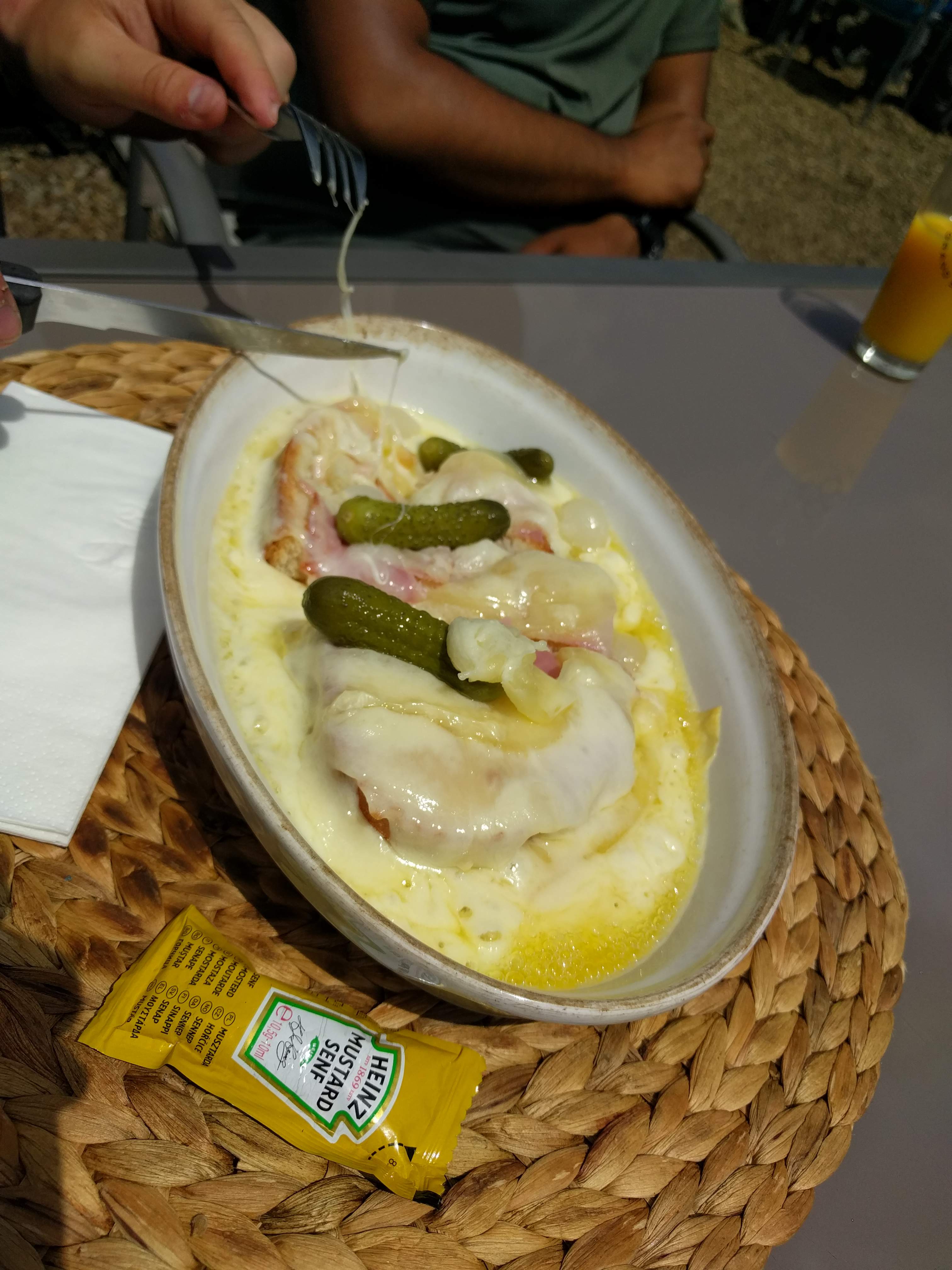
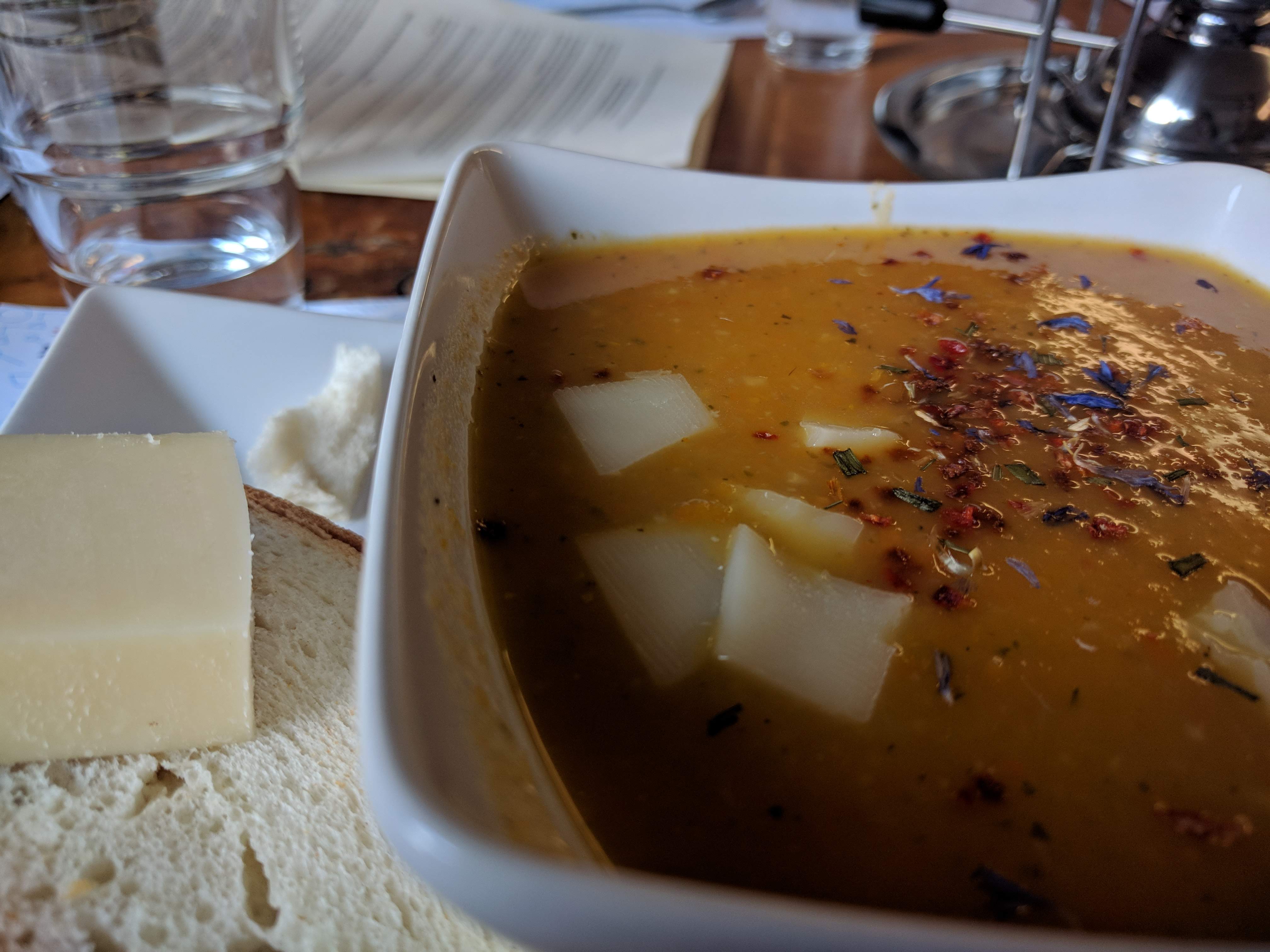
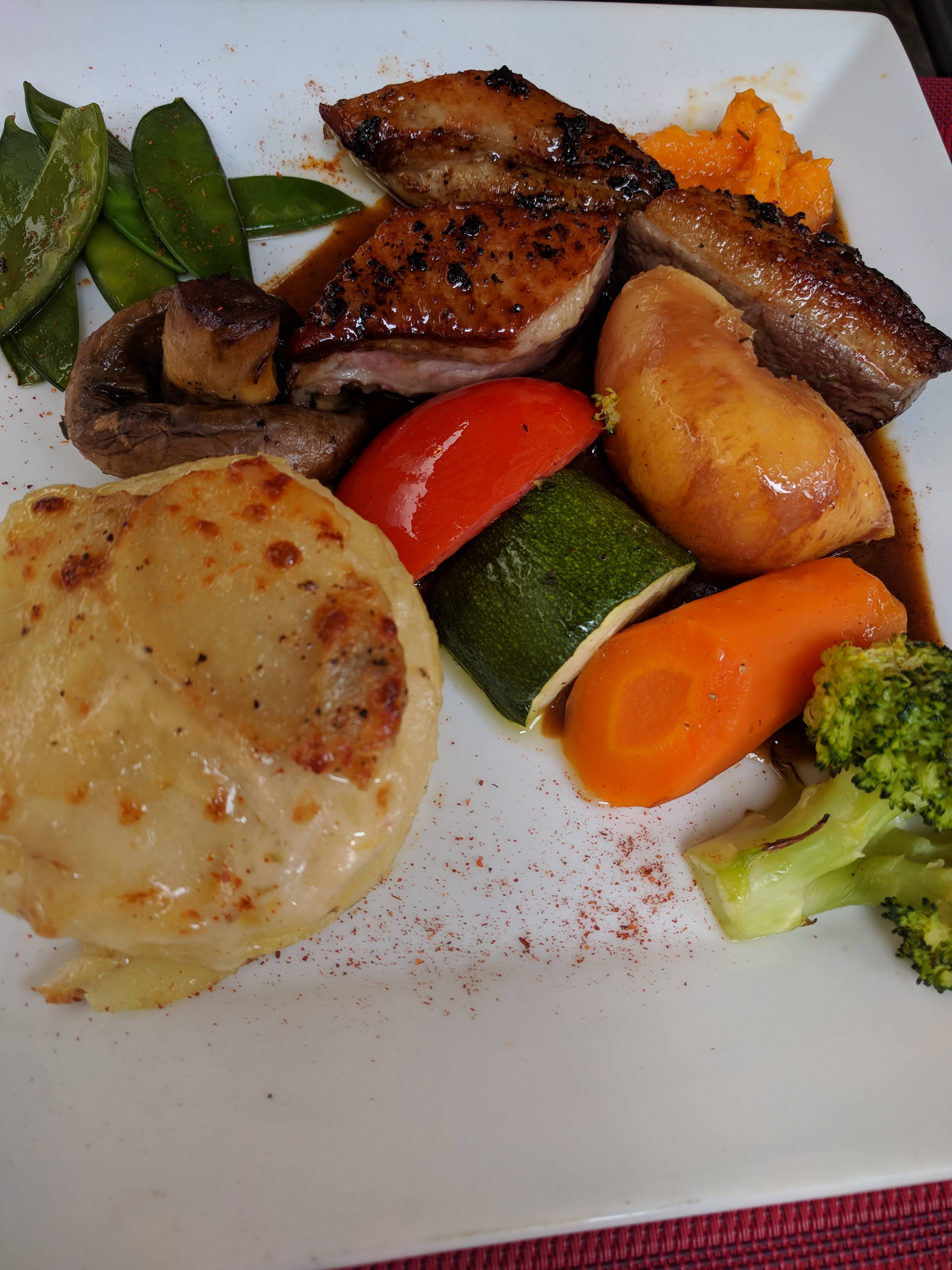
The food on the Alta Via 1 soon became rather repetitive, as you’ll find in pictures and in the summaries of this blog.
Other Considerations
Other factors to consider include how many people I want to see on a daily basis, the historical factor, the type of terrain that I will get to experience, and the ease of planning / getting help if that is required.
| Other considerations | Tour du Mont-Blanc | Alta Via 1 |
|---|---|---|
| Remoteness | Less remote, many people on trails | More remote |
| Historical | The first summit of the Mont Blanc Massif kickstarted alpine mountaineering | The Dolomites is a UNESCO World Heritage Site; WW1 battles took place here |
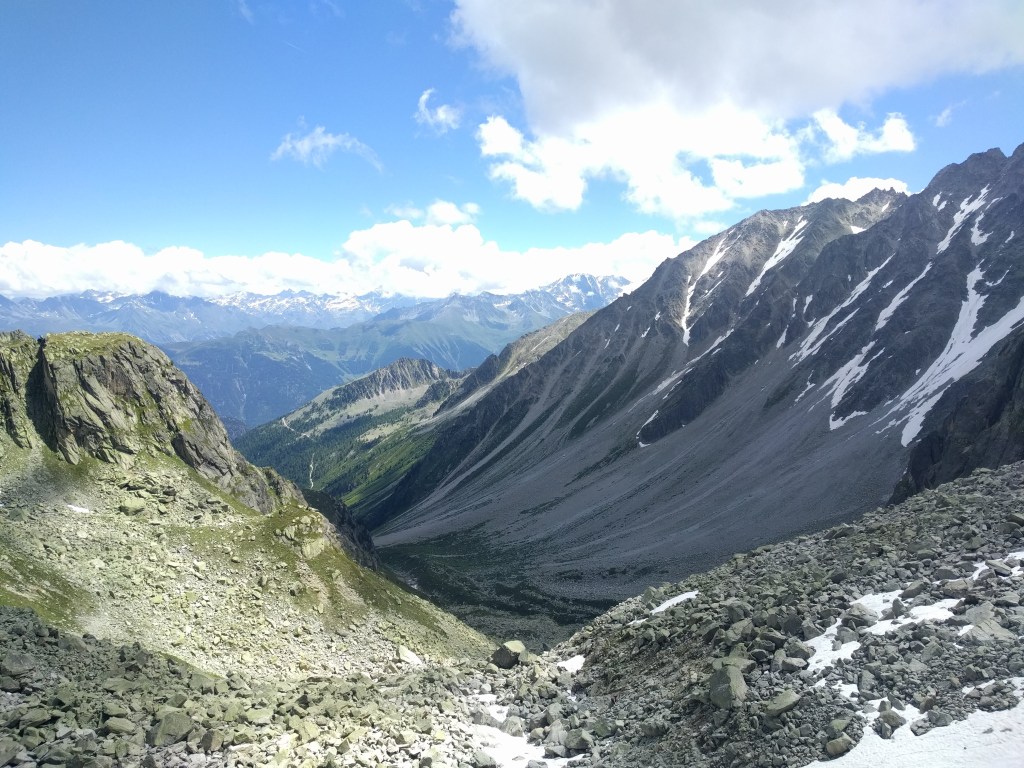
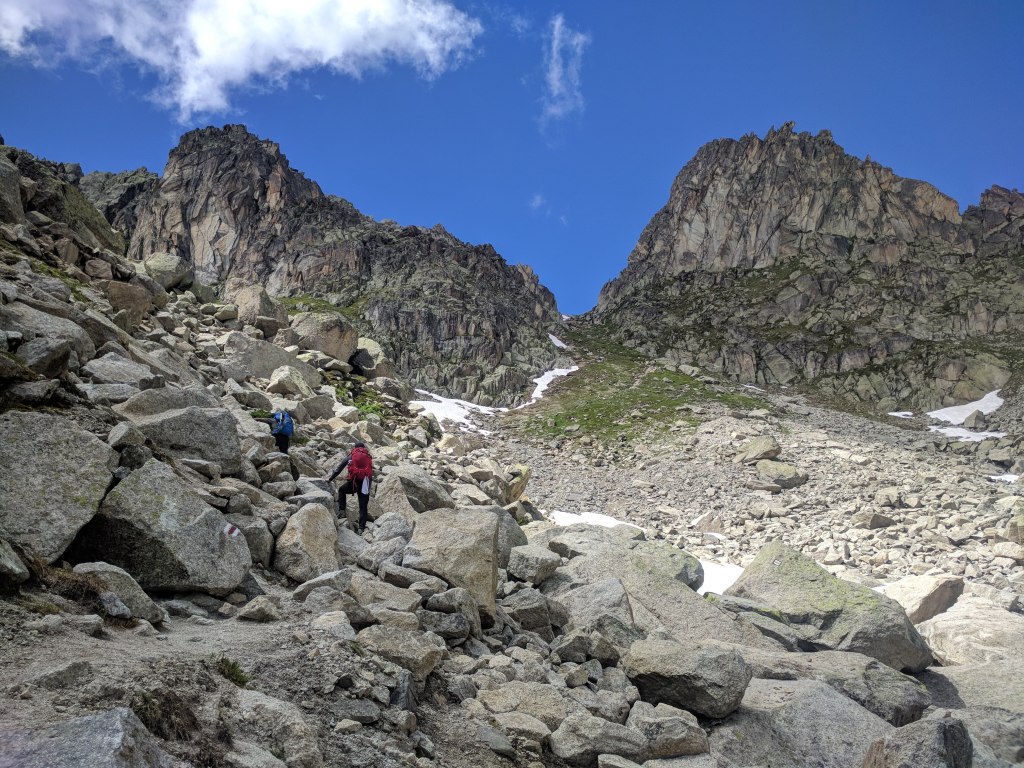
| Terrain / views | Rolling hills, significant elevation gains, some glaciers | Talus / scree with some forested areas, more rugged |
| Ease of planning | More ‘organized’ with more supporting infrastructure | Individual rifugios have info about them, but no unifying body |
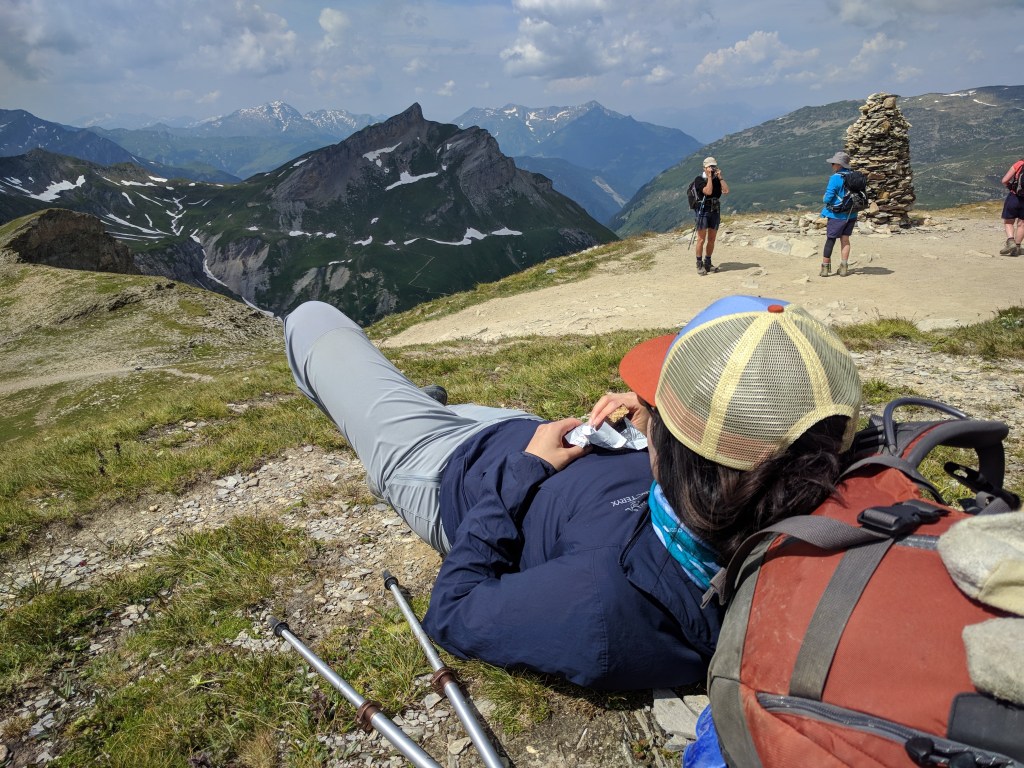
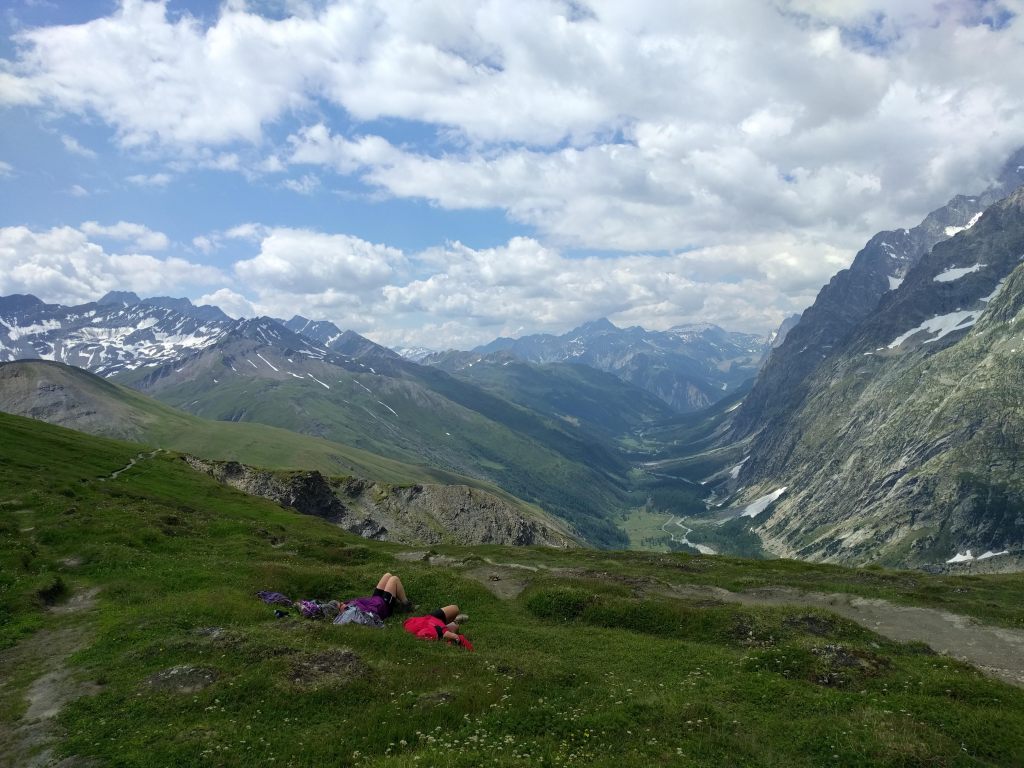
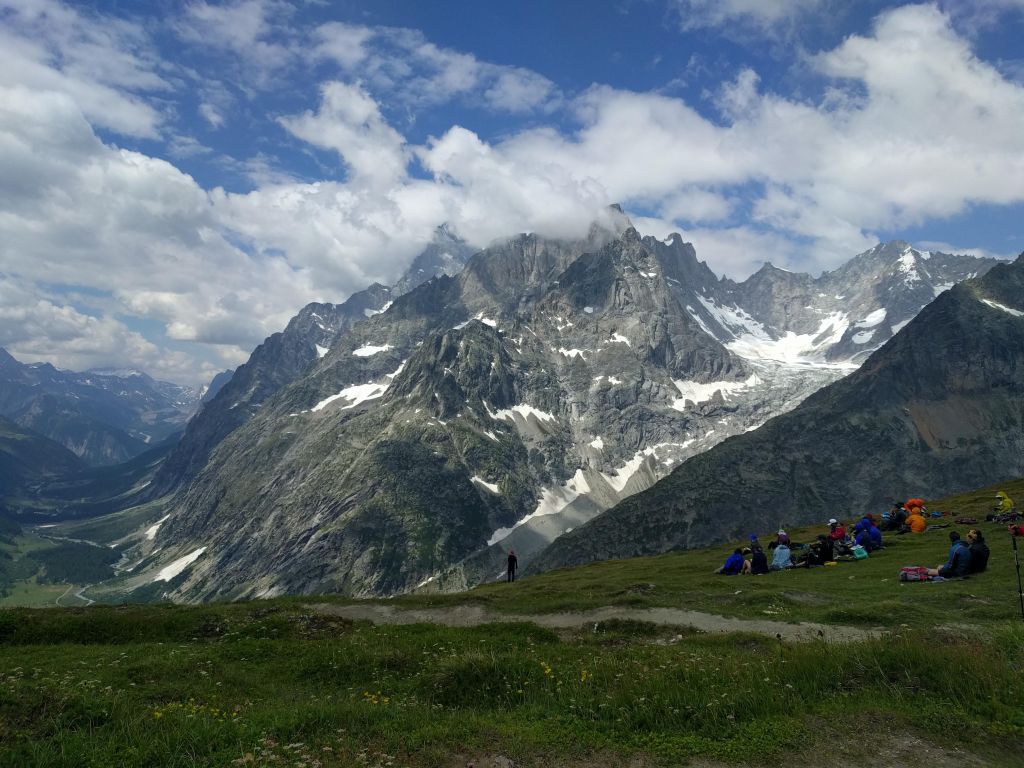
Remoteness: On the Tour du Mont Blanc, there were often people around. Partially because there is good infrastructure and generally good upkeep of the trail, we often saw families, day hikers, and trail runners in addition to multi-day trekkers. For both treks, vehicle-accessible areas were very busy.
These pictures taken during the Tour du Mont Blanc trek show examples of how many people we saw around us. There were definitely fewer people on the Alta Via 1.
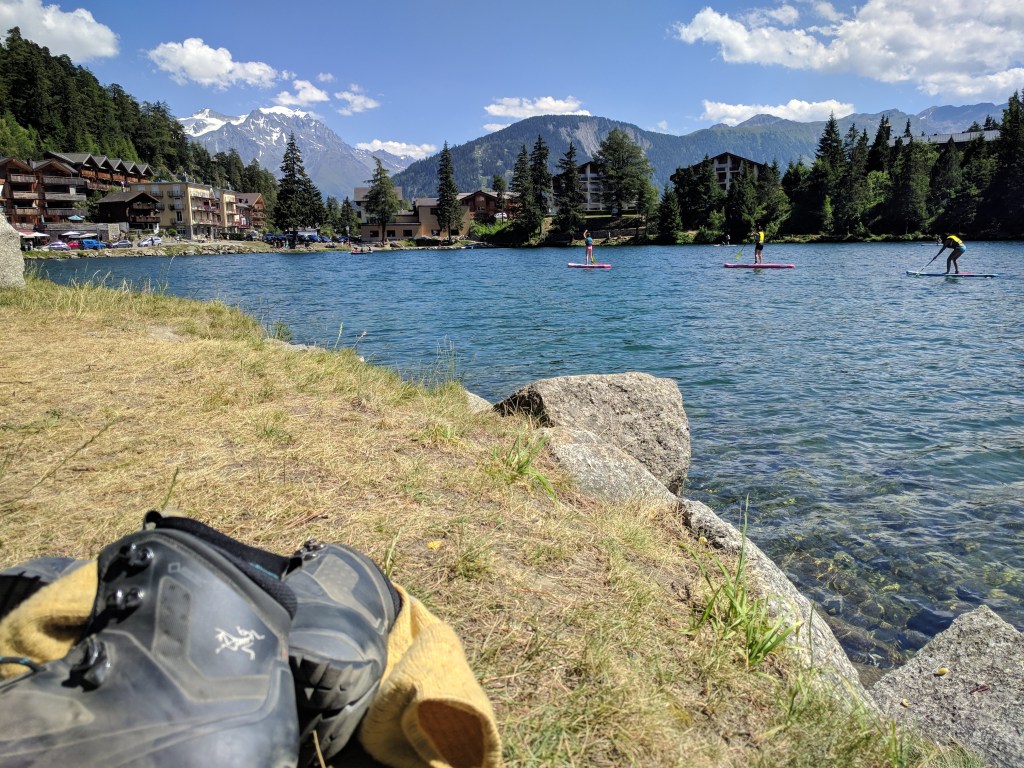
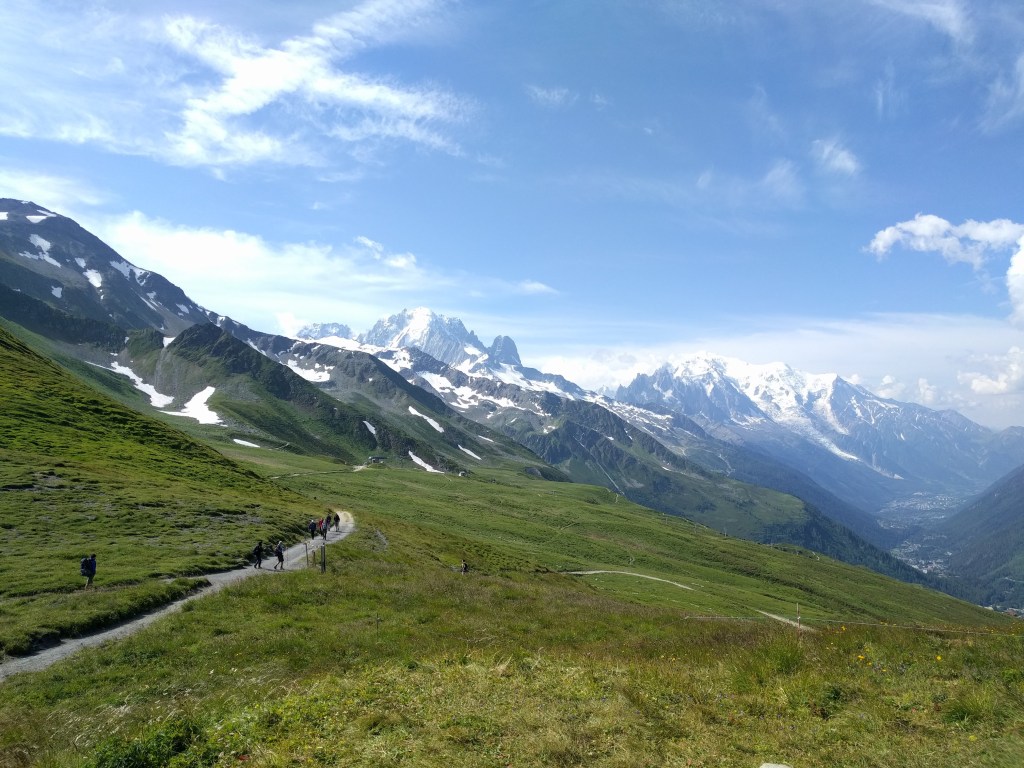
Historical factor: Both areas have rich history, of different types, so depending on what you’re interested in, one trek could be more appealing. The Alta Via 1 took us through World War 1 gallerias. More details on gallerias on Alta Via 1 here.
Terrain / views: The Tour du Mont Blanc had more alpine flowers and glaciers. Alta Via 1 had some points of interests, such as an Emerald Lake, streams, and architecturally interesting rifugios.
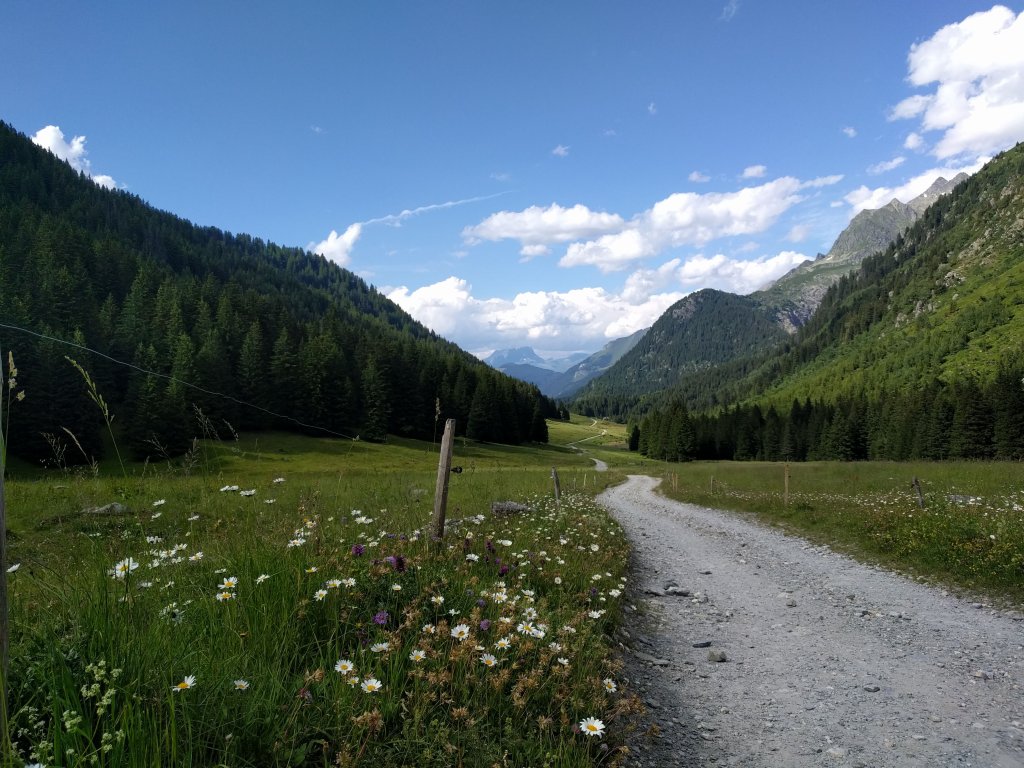
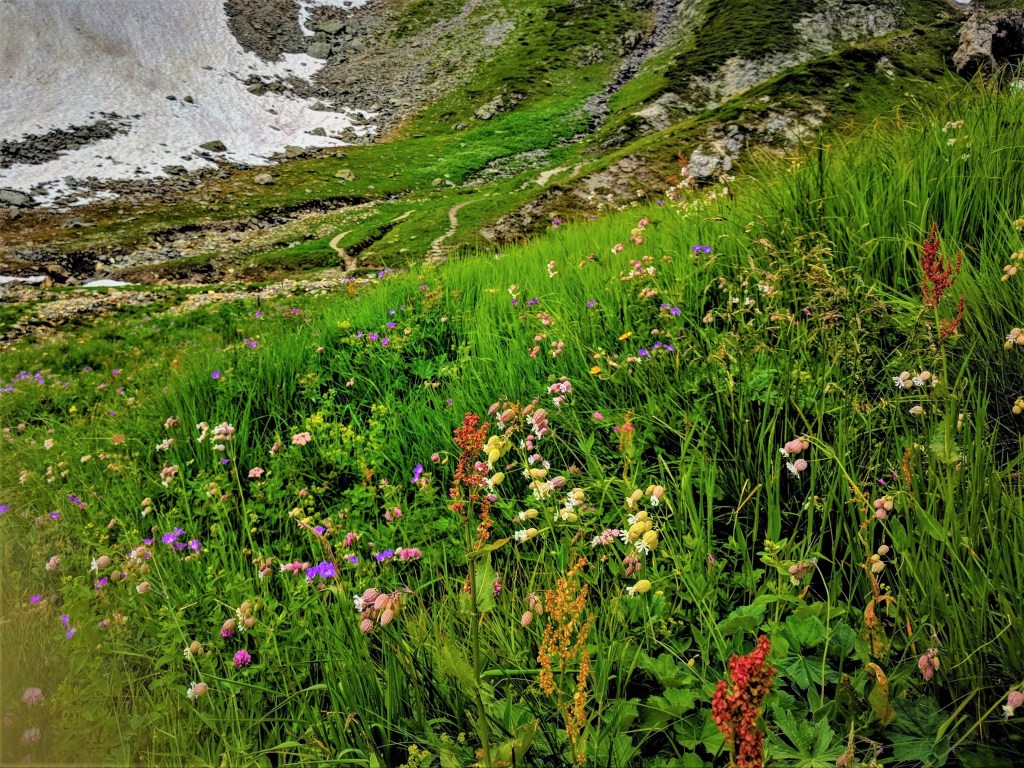
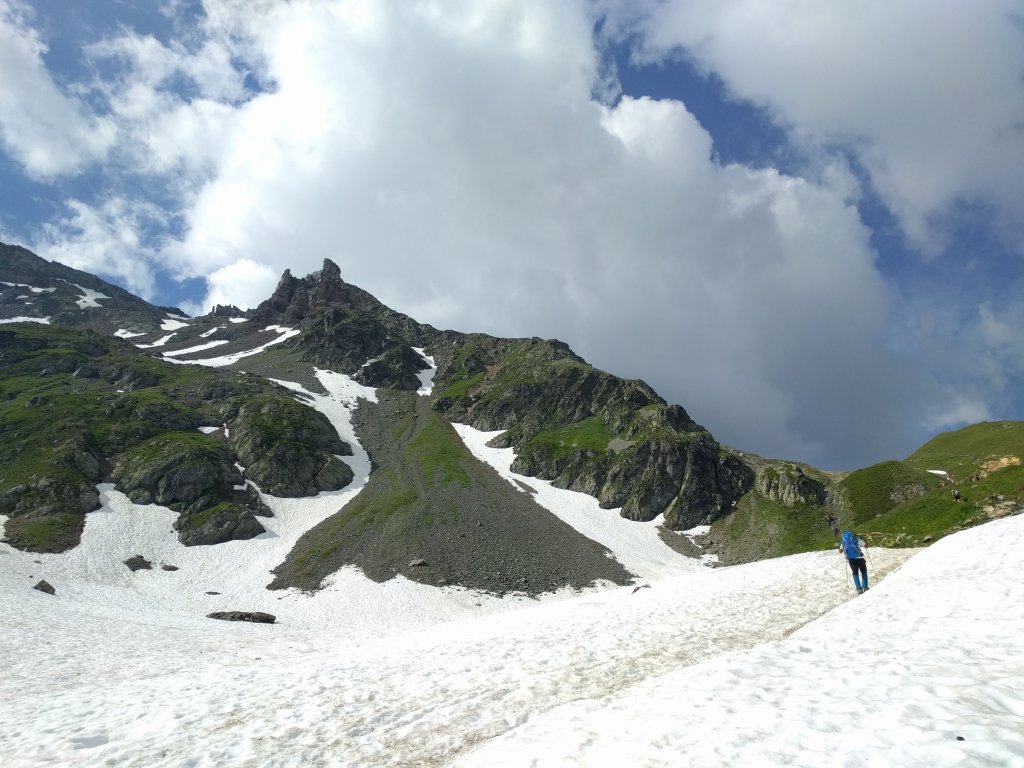
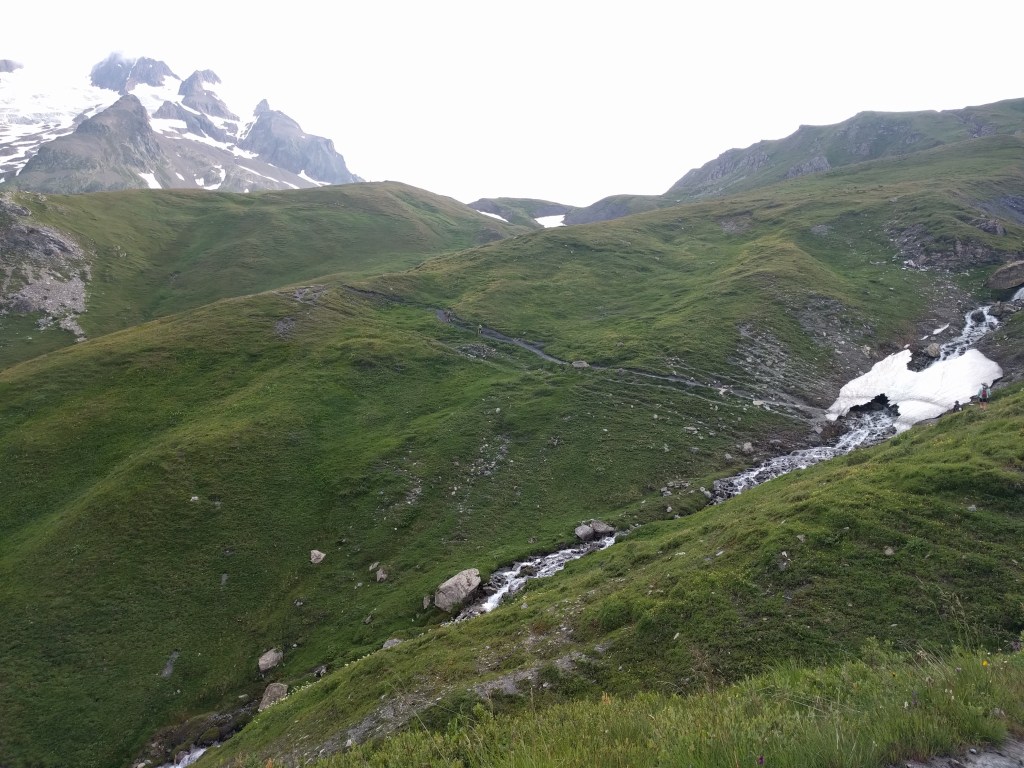
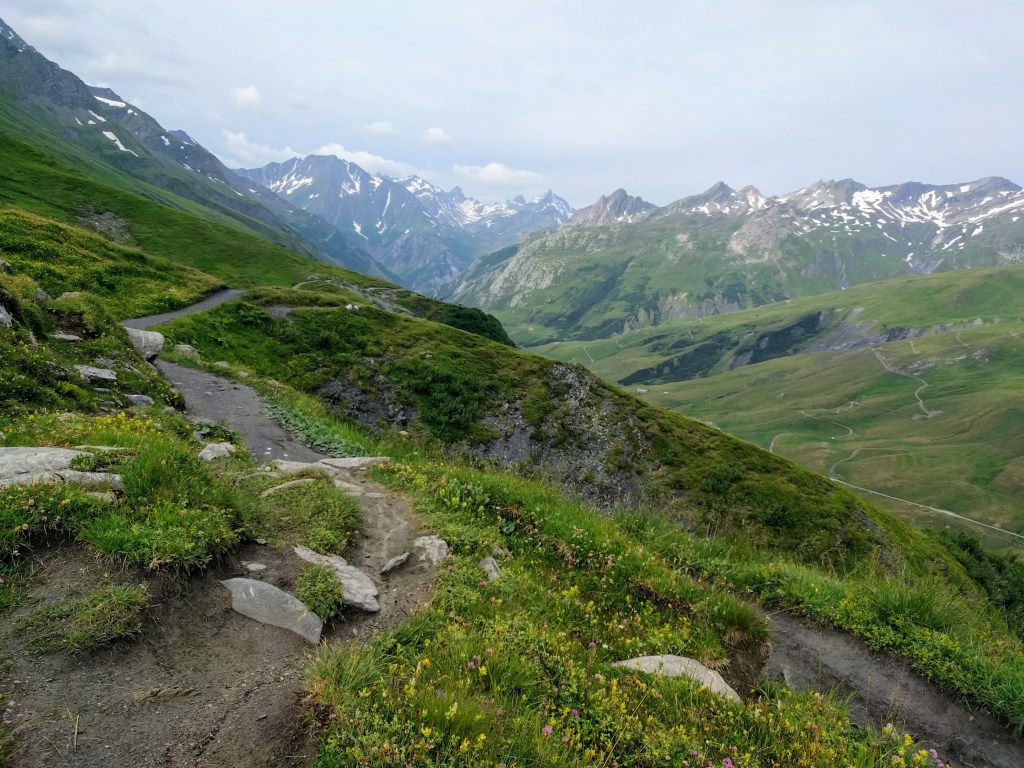
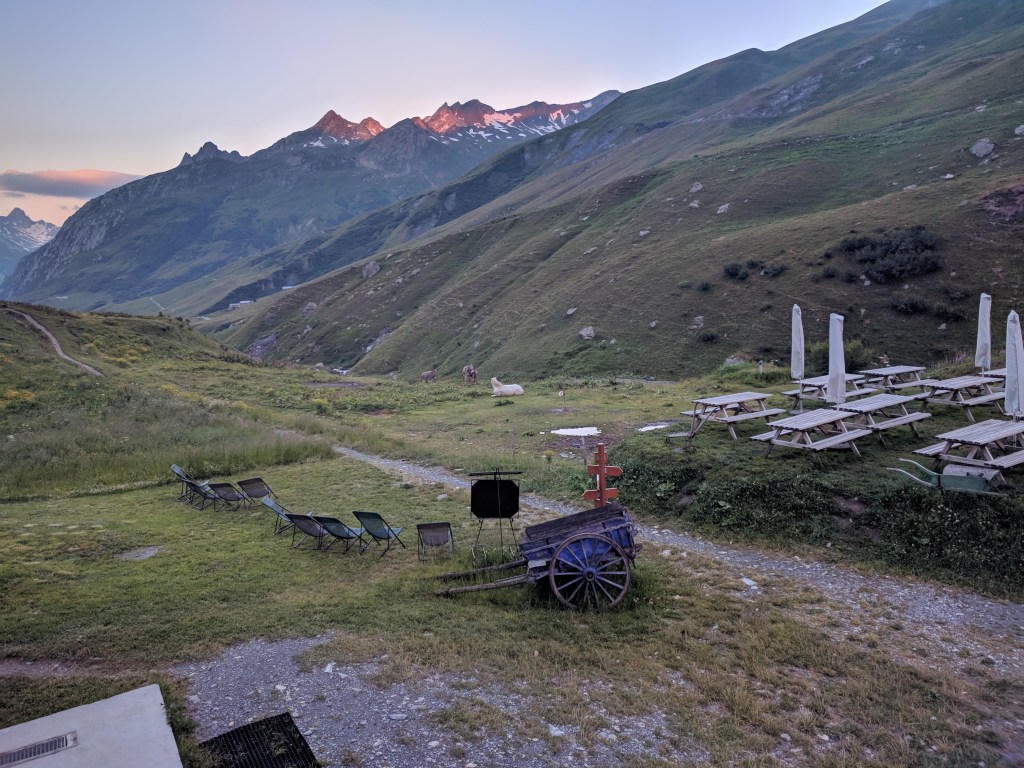


Ease of Planning: The Tour du Mont Blanc has more information available in one place for planning. While the Alta Via 1 had inkpad stamps at every rifugio, the Tour du Mont Blanc trek felt more of organized and ‘built up’ as a cohesive unit of individual places to stay.
Rifugios/huts may be closed when the season is over or towards the end of the season, while hotels in more established towns may stay open.
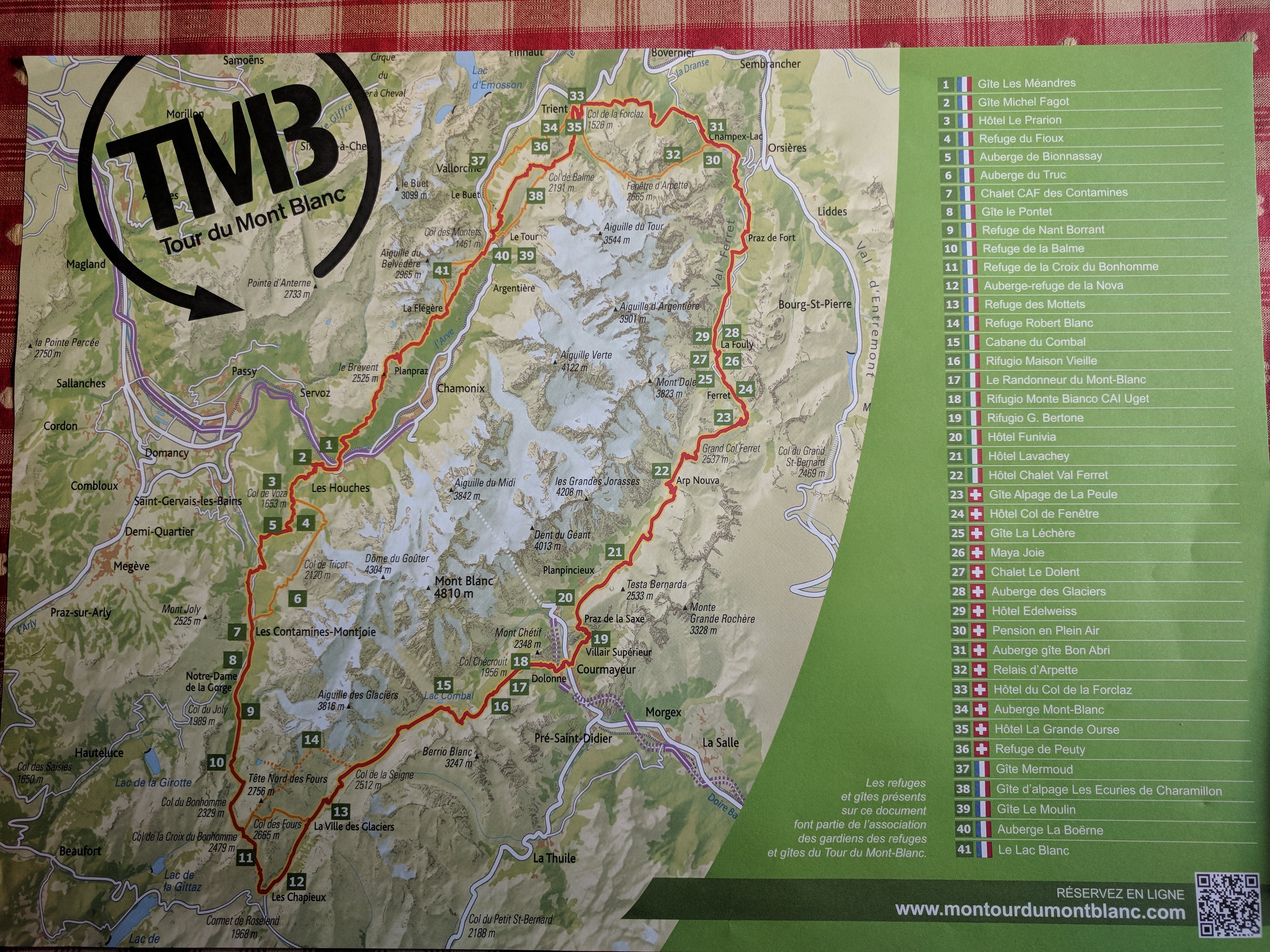
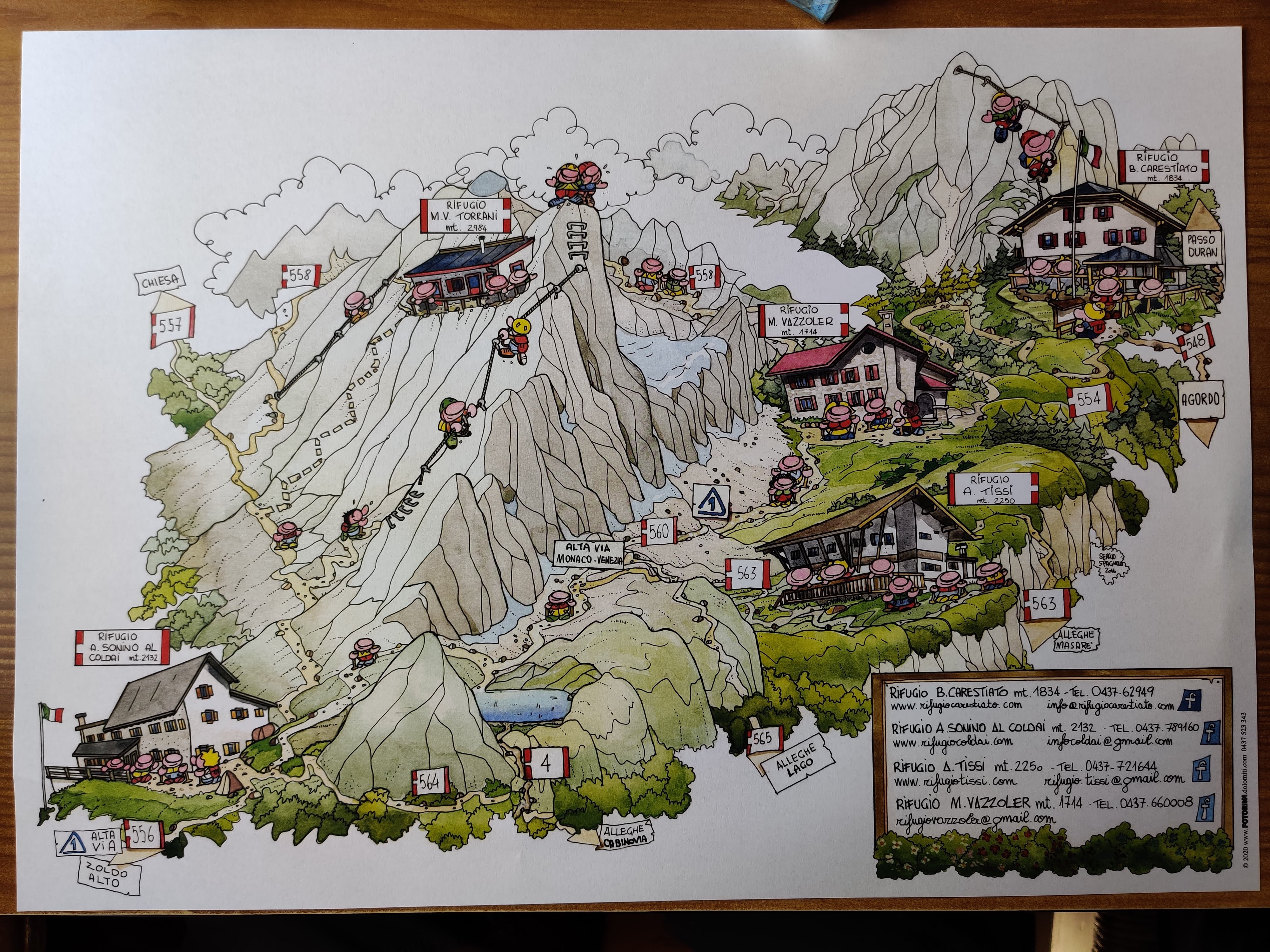

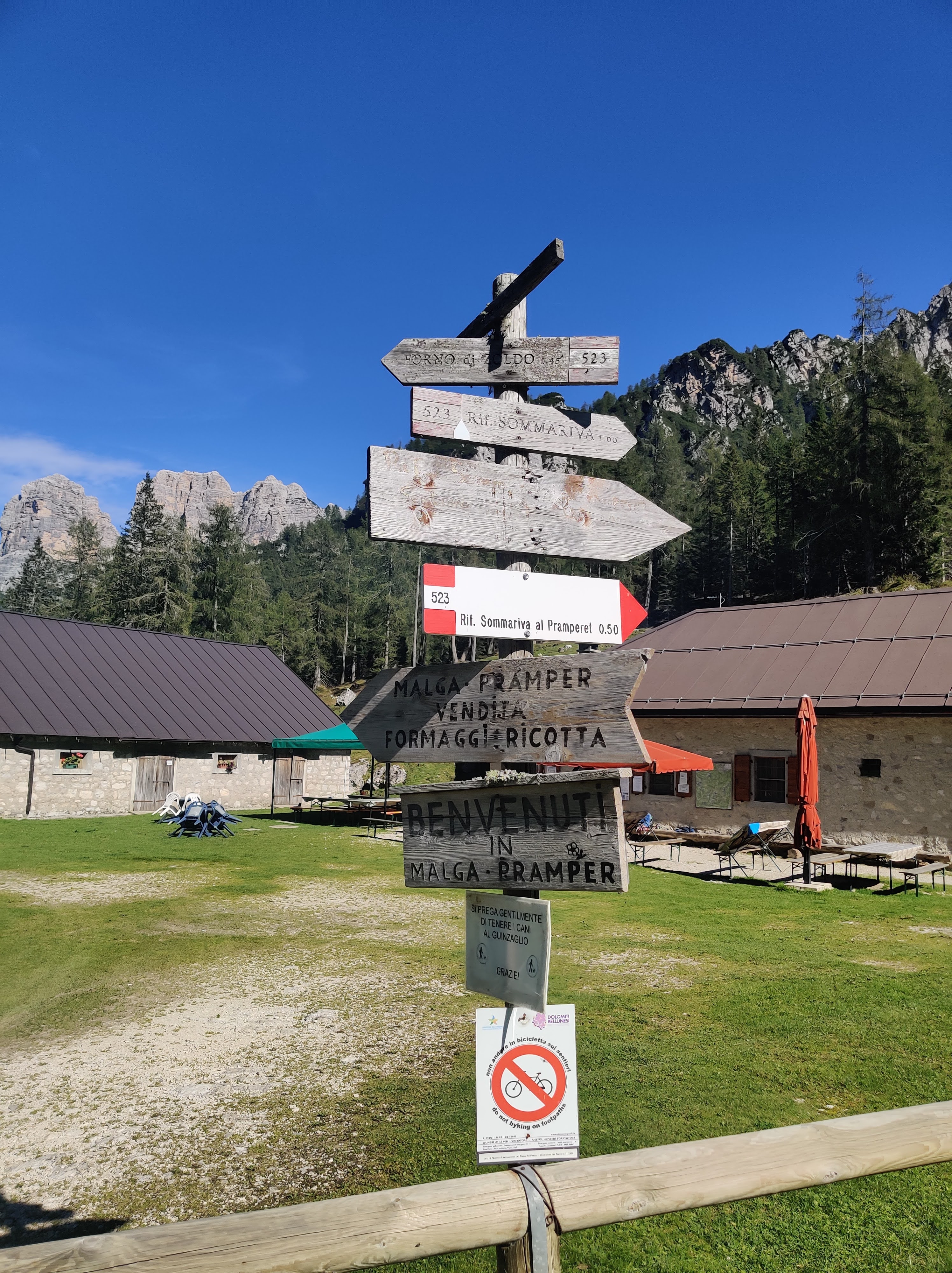
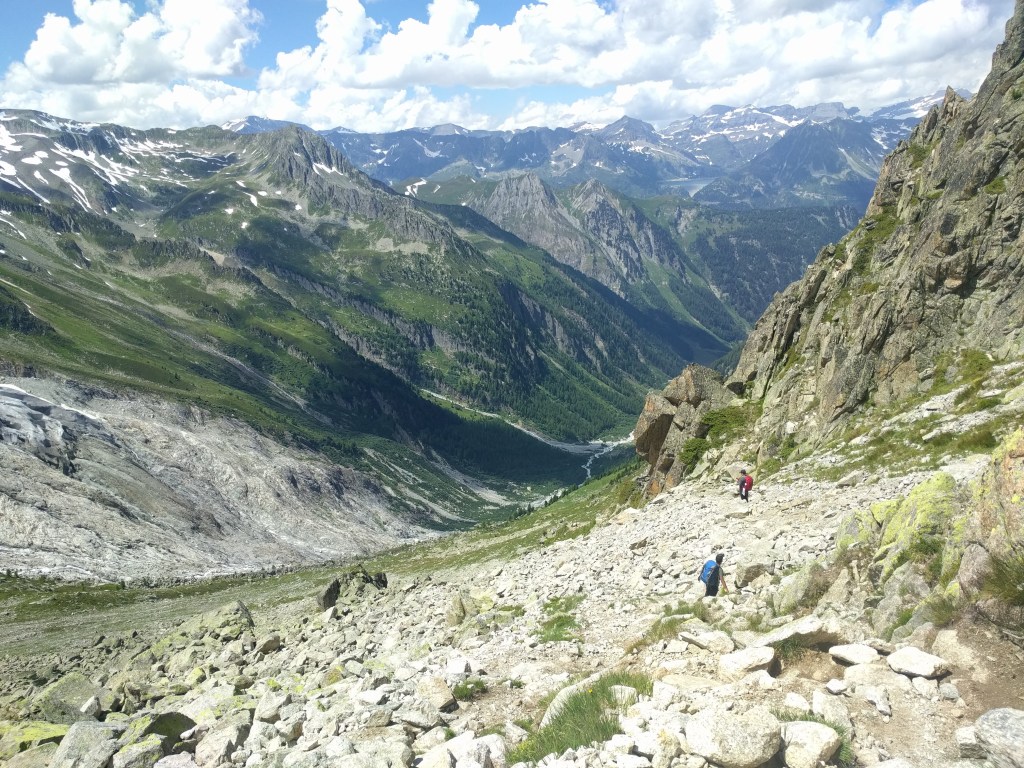
Conclusion: The Tour du Mont Blanc is physically more demanding that the Alta Via 1, with rewards being more varied food choice but also more people on the trail. The Alta Via 1 is more remote and quiet, with beautiful sunsets/sunrises and a historical factor that is appealing for those interested in World War 1.


Leave a Reply